Weatherproof Roof Hatch Options To Stop Leaks And Energy Loss
A roof hatch has to withstand far more than occasional rain. Poor seals, weak insulation, and unsuitable materials can allow water into the building while letting heated or cooled air escape. Modern designs address these issues with weather-resistant construction, tight sealing systems, insulated covers, and durable finishes.
Here are the roof hatches features and options that can help prevent leaks while improving energy efficiency.
Sealed curb designs
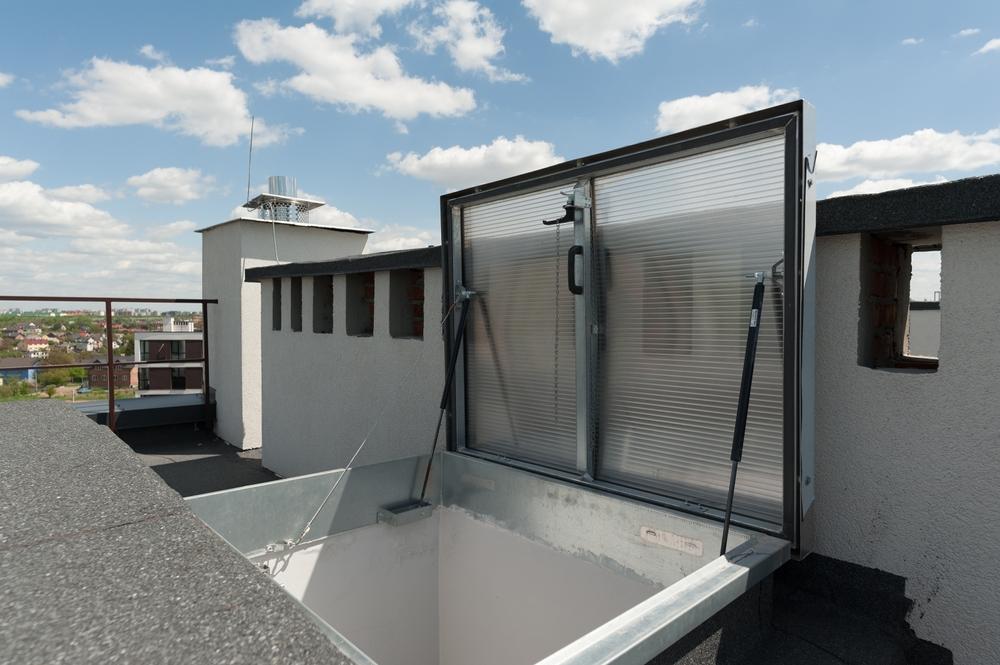
A weatherproof hatch starts with a raised curb that directs rain away. Proper curb height keeps water above the roof surface and reduces moisture exposure. Sturdy construction and reliable gaskets around the frame limit water entry during heavy rain and give the opening a secure seal.
Insulated hatch panels
Insulation matters when a roof hatch separates conditioned indoor space and outdoor temperatures. An insulated panel slows heat transfer and helps heating and cooling systems work with less strain. Suitable insulation thickness supports steadier indoor conditions while reducing energy loss through the rooftop opening.
Compression seals and gaskets
A tight seal around the hatch panel blocks rainwater and limits unwanted air movement. Compression gaskets work best when the panel closes evenly against the frame. Damaged seals allow drafts and moisture inside, so routine inspection matters. Replacing worn gaskets restores the barrier and supports stable indoor temperatures.
Energy efficient hatch features
Some roof hatch models include insulated covers, thermal breaks, and tight closing hardware. These features reduce heat movement around the opening and help maintain consistent indoor temperatures. Automatic closing mechanisms stop a hatch from remaining open after rooftop work. Suitable features support lower heating and cooling demand while protecting interior spaces.
Drainage and flashing details
Flashing around a roof hatch directs water toward the roof drainage system instead of letting moisture collect beside the frame. Good installation keeps flashing securely integrated with the surrounding roof membrane. Roof slope also matters because water should move away quickly after rainfall. Regular checks reveal loose edges, cracks, or blocked drainage before leaks spread indoors.
Choosing the right hatch
Start by checking roof type, opening size, insulation requirements, weather exposure, and expected usage. A frequently accessed commercial roof may require stronger hardware than a low traffic area. Check gasket quality, panel insulation, curb height, material, and closing performance before selecting a model. Professional installation also helps protect the roof system and limit future repair costs.